How Are UAVs Used in the Military? Applications, Benefits

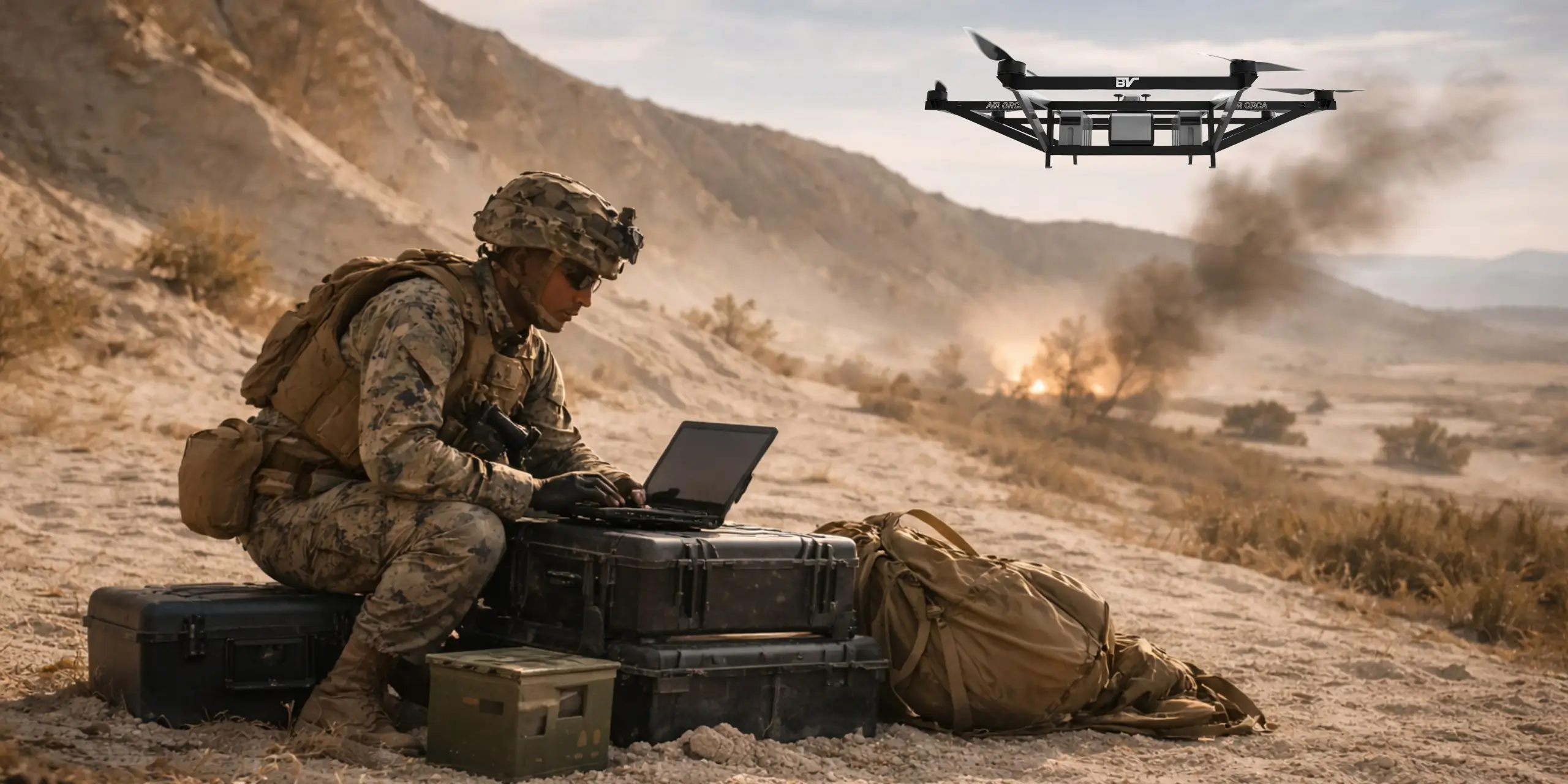
Unmanned Aerial Vehicles (UAVs), also known as drones or military drones, have become a powerful asset in modern warfare. UAVs are pilotless aircraft, operated remotely or autonomously using onboard processors and sensor systems.

In the last two decades, UAVs have entirely revolutionised military planning. What was once used to conduct surveillance is now used to supply and make precision attacks; the uses of UAV Drones in defence are varied and expanding fast. The world’s leading UAV utilising states are investing heavily in UAV technology, but they’re also transforming modern warfare and the way frontline units are supported.

According to Markets and Markets, The global military drone market is projected to grow from USD 15.8 billion in 2025 to USD 22.81 billion by 2030, with a CAGR of around 7.6%.

What Are Military UAVs?

Military UAVs or drones are unmanned aircraft systems developed to enable various defence operations. Contrary to commercial drones, the systems are specialised for missions involving surveillance, combat missions, supply transportation, and electronic warfare among others. The size, range, and capabilities of UAVs vary depending on their intended military application.

Major Types of Military Drones

1. Surveillance UAVs

The drones are primarily utilised for observation and monitoring ground activity. The UAVs have high-definition cameras, thermal imaging sensors, and radar equipment. These drones cover vast distances and spend hours hovering over the area, and in the process, they obtain real-time images and information without endangering soldiers.

Use-case: Border patrolling, enemy tracking, and battlefield awareness. 

2. UAVs in Combat (Drones with Weapons)

These UAVs are armed with weapons like missiles or guided bombs. They are operated from remote locations and are employed to attack targets with high accuracy. The strengths of UAVs in warfare are: 

  • Reduced risk to pilots
  • Reduced operating expenses
  • Able to strike silently and quickly

Use-case: Targeted strikes, backing ground troops, and high-priority missions.

3. Logistics UAVs

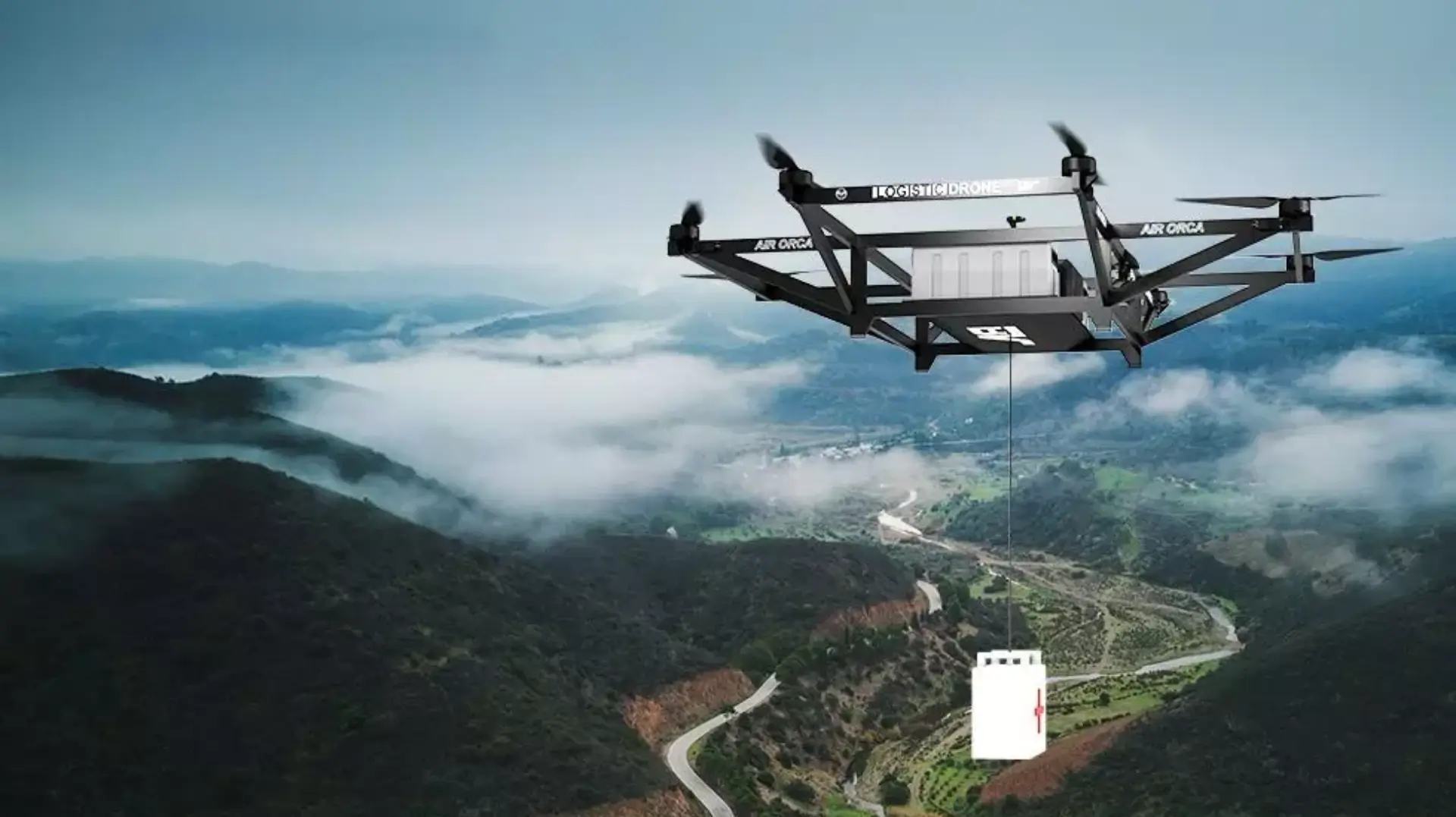
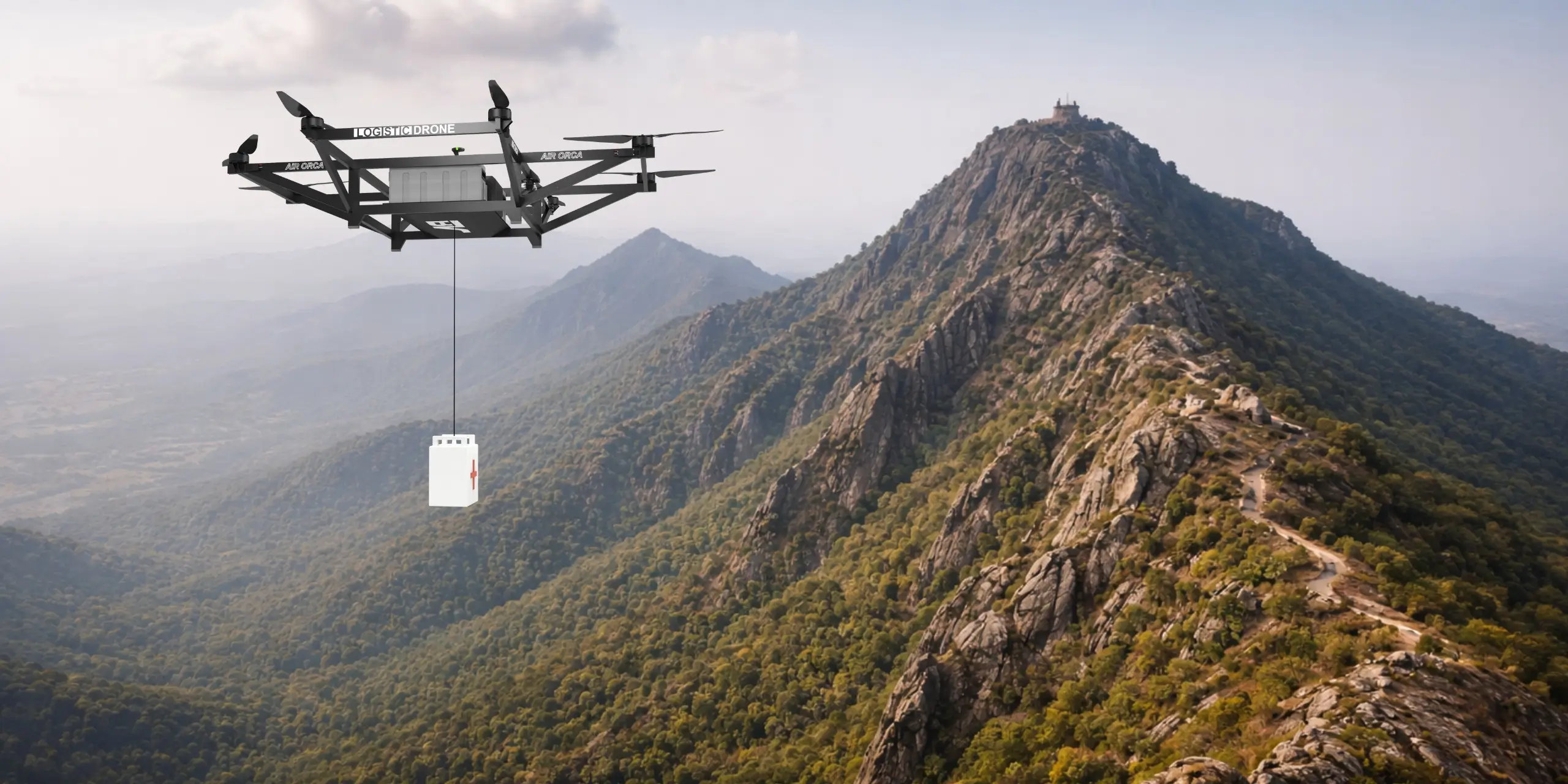
Logistics drones for defence operations are built to deliver mission-critical supplies such as ammunition, rations, medical kits, and communication equipment. They enable safe, fast, and reliable delivery in hostile, remote, or difficult terrains where traditional transport puts lives and assets at risk. By reducing dependency on manned vehicles and helicopters, these drones help maintain uninterrupted supply lines and support troops even in the most challenging operational conditions.

Use-case: Resupplying frontline units, emergency aid in remote areas.

4. Loitering Munitions

These are like drones and missiles combined.Also known as “kamikaze drones,” they loiter in the air, scanning for targets before initiating a direct strike. Once they find the threat, they lock onto it and directly attack it.

Use-case: Fast, one-shot hits against mobile or time-sensitive targets.

Types of Military UAVs Based on Altitude and Endurance

Military drones are also categorised by the height at which they operate and how long they can remain airborne. These classifications help defence forces match the appropriate drone to the mission at hand:

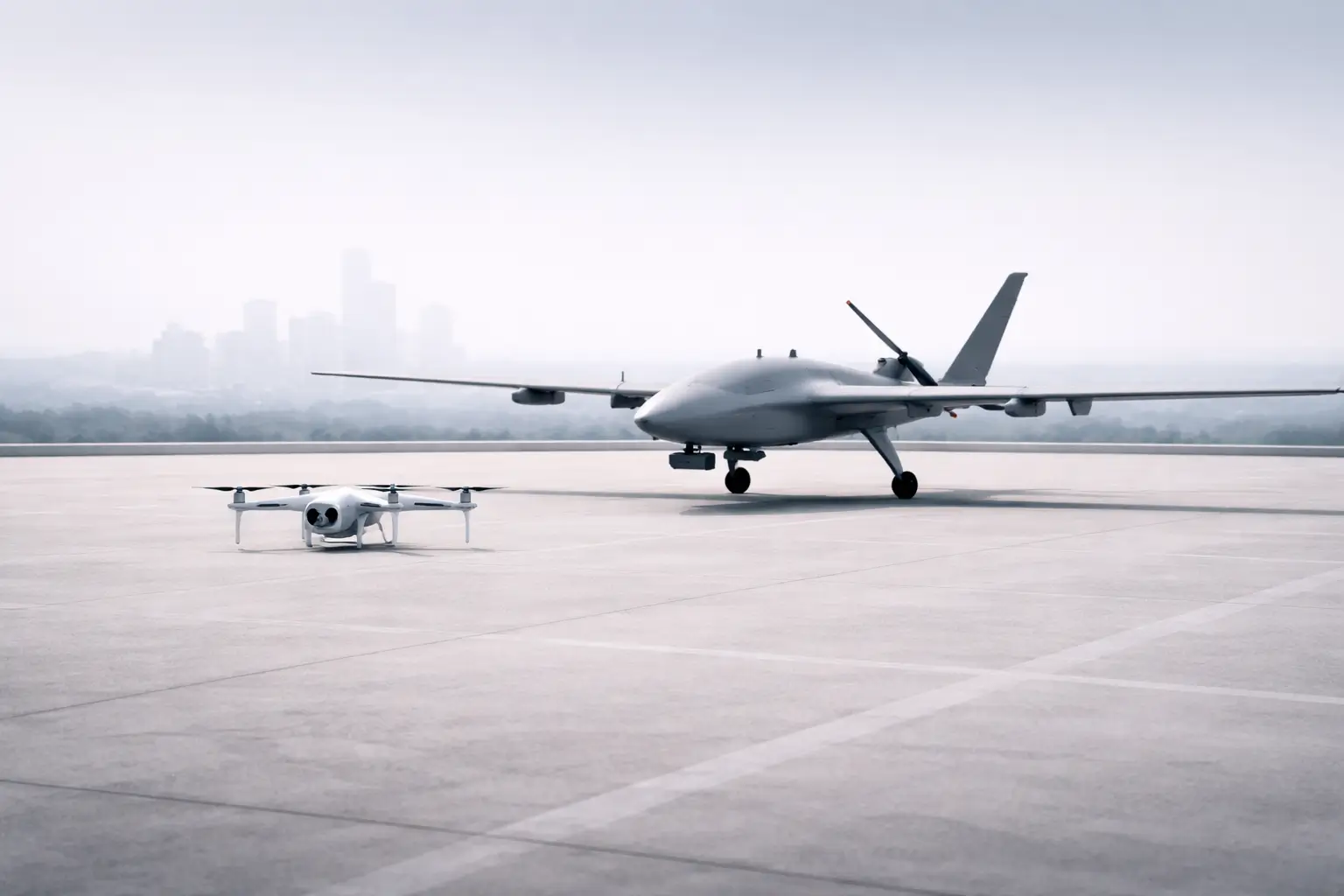
Each drone category HALE, MALE, or Tactical offers specific advantages in altitude, endurance, and mission suitability. This allows military leaders to choose drones strategically, based on mission complexity, terrain, and threat level. Their adaptability makes UAVs a key pillar in modern defence systems globally.

HALE – High Altitude Long Endurance

  • Operate above 60,000 feet
  • Can stay in flight for 24 to 48 hours or more
  • Ideal for wide-area surveillance, weather observation, and strategic missions

Use-case: National border surveillance, intelligence gathering from a safe distance

MALE – Medium Altitude Long Endurance

  • Fly at altitudes between 10,000–30,000 feet
  • Can remain airborne for over 24 hours
  • Frequently used for both reconnaissance and armed missions

Use-case: Armed strikes and sustained observation in hostile areas

Tactical Low altitude, Short-range drones

  • Smaller, lightweight units designed for short-range operations
  • Can be deployed quickly by field troops
  • Often hand-launched or catapulted

Use-case: Reconnaissance for small units, scouting ahead in unfamiliar territory

How Are Military Drones Used in Operations – What They Do

Military Drones are versatile platforms that support a wide range of operations across modern battlefields. Their unmanned nature, advanced sensor suites, and autonomous or semi-autonomous capabilities make them ideal tools for tasks traditionally carried out by manned aircraft but often at lower cost, reduced risk, and greater efficiency.

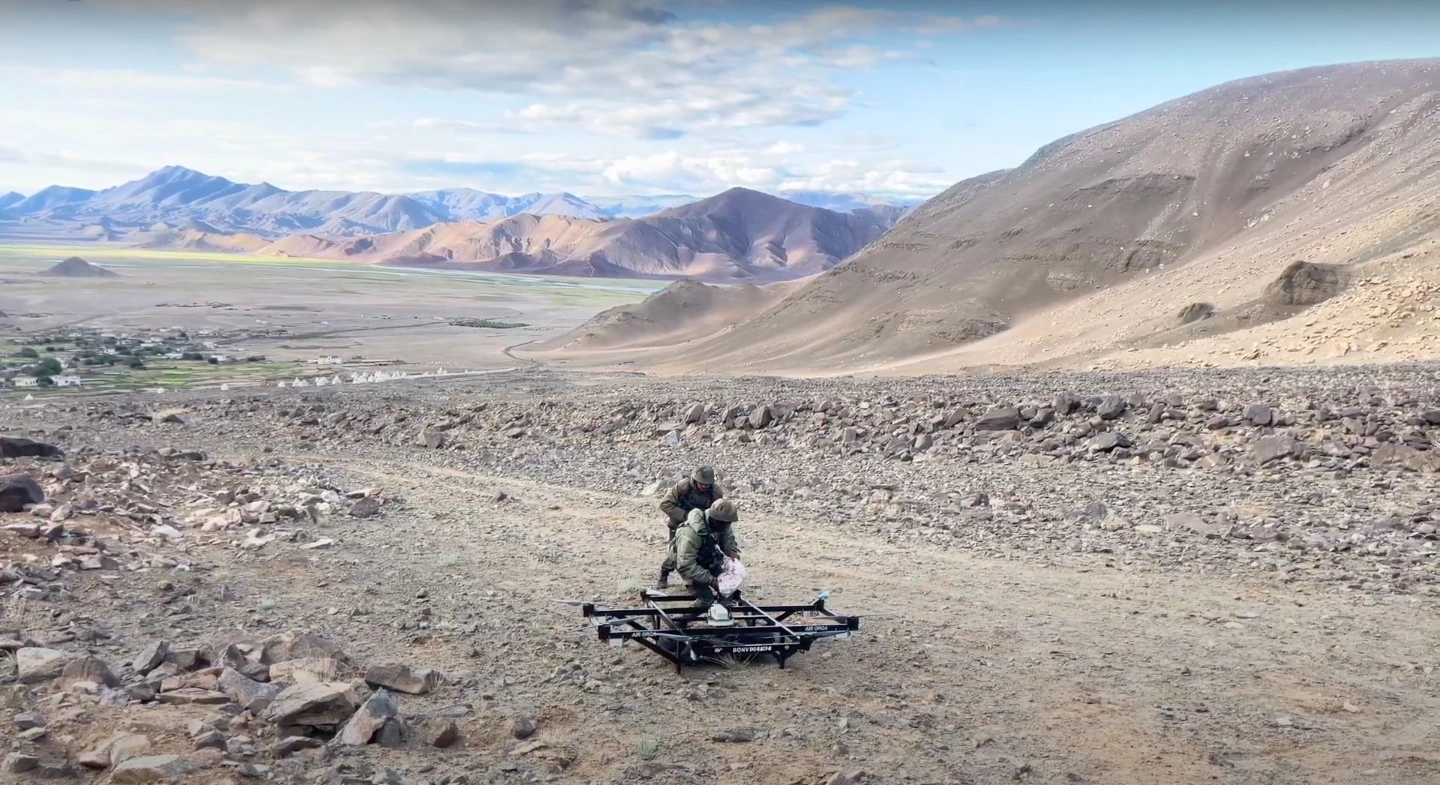
In India, UAVs have been increasingly adopted across the Army, Navy, Air Force, and paramilitary operations, from high altitude surveillance in Ladakh to rapid logistics in the Northeast.

Here’s a deeper look into what they do:

1. Intelligence, Surveillance & Reconnaissance (ISR Drone)

UAVs serve as persistent “eyes in the sky,” offering real-time intelligence without putting soldiers in harm’s way.

  • Monitor enemy movement and positions using high-resolution cameras, infrared, thermal sensors, and radar. 
  • Map terrain and scan for threats in contested or hard-to-reach areas
  • Provide early warning and situational awareness for troops on the ground
  • Track infiltration routes, troop build-ups, and insurgent activity across borders or conflict zones

Key Benefit:

For extended periods, offering continuous surveillance far beyond the capabilities of manned aircraft. 

2. Precision Strike & Combat Operations

Armed UAVs are used to carry out high-precision attacks with minimal collateral damage.

What they do:

  • Deliver guided missiles and smart bombs directly onto enemy targets
  • Eliminate high-value targets (HVTs) such as enemy leaders, vehicles, or infrastructure
  • Provide air support to ground troops during engagements
  • Conduct “loitering munitions” missions, hovering over a zone and attacking once a viable target is identified

Key Benefit:

They enable surgical strikes in hostile environments without risking pilot lives, and can be remotely controlled from thousands of miles away.

3. Electronic Warfare (EW) & Cyber Operations

Modern UAVs are now equipped to disrupt, deceive, and dominate the electromagnetic spectrum.

What they do:

  • Jam enemy radar or communications systems
  • Spoof GPS to mislead or disable enemy drones
  • Gather electronic signals intelligence (SIGINT) for strategic planning
  • Support psychological operations through aerial broadcasting or disruption of hostile communications.

Key Benefit:

They allow for safe execution of digital attacks without direct confrontation or ground troop involvement.

4. Logistics & Supply Drops

Logistic UAVs play a vital support role in delivering supplies to remote or dangerous areas.

What they do:

  • Carry ammunition, medical supplies, food, communication equipment to frontline troops
  • Resupply isolated units during combat or in difficult terrain (mountains, jungle, disaster zones)
  • Deliver emergency aid or humanitarian assistance in crisis-affected regions
  • Operate at night or in adverse weather with GPS and autopilot capabilities

Key Benefit:

They reduce dependency on vulnerable convoys and helicopters, speeding up supply while keeping personnel safe.

5. Search and Rescue (SAR)

UAVs are crucial for locating and assisting injured or missing soldiers and civilians.

What they do:

  • Fly over disaster-hit or combat zones to scan for survivors using thermal and infrared sensors
  • Transmit real-time footage to command centres and search teams
  • Drop emergency beacons, first-aid kits, or supplies to survivors awaiting extraction
  • Guide ground teams or helicopters to precise rescue locations

Key Benefit:

They dramatically speed up rescue efforts and increase the chance of survival in dangerous or inaccessible environments.

6. Target Designation and Laser Guidance

Some UAVs are not armed themselves but play a critical role in enabling precision strikes by other platforms.

What they do:

  • Identify, track, and “paint” targets with laser designators for guided munitions launched from aircraft, artillery, or other drones
  • Confirm target identity before engagement (helping prevent friendly fire or civilian casualties)
  • Maintain visual contact with the target until weapon impact

Key Benefit:

They allow for coordinated, multi-platform strikes while maintaining tactical oversight.

The Strategic Importance of UAVs in Modern Warfare

From delivering emergency rations to executing high-precision strikes and jamming enemy radar systems, military UAV drones now serve as essential components of every major defence strategy. Their ability to adapt to different combat environments, deliver actionable intelligence, and support troops on the ground is reshaping the future of military operations.

The Future of Military Drones: What’s Coming Next

  • AI-Powered Autonomy: UAVs will increasingly rely on AI to make mission decisions with little to no human input. In fact, by 2027, over 40% of defence UAVs are expected to incorporate AI and swarm coordination, according to Global Growth Insights.
  • Advanced Surveillance: Enhanced sensors will improve reconnaissance, making battlefield awareness sharper than ever.
  • Swarm Capabilities: Swarm Drones will allow coordinated, large-scale operations to overwhelm enemy systems.
  • Stealth & Speed Enhancements: Future drones will fly faster, quieter, and stay off radar more effectively.
  • Integrated Operations: UAVs will operate seamlessly alongside ground forces and manned systems.

Challenges and Ethical Concerns of Military Drones

  • Risk of Collateral Damage: Drone strikes can sometimes miss their intended targets or hit nearby civilians, leading to unintended casualties and long-term public backlash.
  • Cyber Vulnerabilities: Drones can be hacked or spoofed, allowing enemies to interfere with their operations, steal information, or even take control of them mid-flight.
  • Airspace Regulation Issues: Clear rules about where and when drones can fly are still developing, especially in shared or civilian airspace, which can lead to legal and safety concerns.
  • Civilian Privacy: Military drones flying near civilian areas can raise serious concerns about surveillance and the invasion of personal privacy without consent.
  • Autonomous Decision-Making: The idea of drones making decisions without human control especially in combat raises moral questions about accountability and the value of human life.

A Comparison of UAVs and Manned Aircraft in Military Use

CriteriaUAVs (Unmanned Aerial Vehicles)Manned Aircraft
Crew SafetyNo on-board crew, ideal for risky missionsHigh risk to pilots, requires life-support systems
Cost of DeploymentLower acquisition & maintenance costsExpensive to operate, train, and maintain
EnduranceCan fly for 24-48 hrs (HALE/MALE)Limited by crew fatigue & fuel
SurveillanceAdvanced sensors, covert operationsEffective but more detectable & costly
Strike CapabilityPrecision-guided, remote-controlledLarger payloads, adaptive in real-time
Operational FlexibilitySuited for swarm, autonomous & ISR rolesVersatile, but costly for mass use
Detection RiskSmaller, stealthierHigher radar & noise signature
Electronic WarfareBuilt for SIGINT, jamming & spoofingCapable, but riskier for crew
LogisticsIdeal for resupply in conflict zonesRisky & costly in combat environments
Human Decision-makingAI-driven or remote decisionsReal-time, emotional, adaptive thinking
Ethical IssuesRaises questions about autonomy & accountabilityGoverned by traditional military laws
Combat Loss ImpactLow strategic loss, no human riskLoss of life or capture possible
Strategic ValuePersistent presence, force multiplierHigh deterrence, visual show of power
  • UAVs excel in long-duration surveillance, low-risk missions, precision strikes, and electronic warfare, making them ideal for modern asymmetric and hybrid warfare.
  • Manned aircraft remain essential where human judgment, high payload, and strategic deterrence are critical particularly in full-scale combat or complex air-to-air scenarios.

Both platforms are complementary, not competitive. Modern military strategies increasingly use combined manned-unmanned teaming (MUM-T) to maximise operational effectiveness.

Top 10 Countries in the Drone Industry

Here are top countries using drones in military operations lead global defence with advanced UAVs for surveillance, combat, and strategic missions.

RankCountryNumber of Drones
1United States13,000
2Turkey1,421
3Poland1,209
4Russia1,050
5Germany670
6India625
7France591
8Australia557
9South Korea518
10Finland412

Source: Magpilot , Times Of India

Your Mission, Our Mission-Ready UAVs. Let’s Move Forward.

BonV Aero, one of the leading military drone manufacturers in India, delivers UAVs built for endurance, accuracy, and operational flexibility.

We design and build UAVs that adapt to changing mission needs, helping drive success across a wide range of defence operations.

For defence-grade UAV systems tailored to your mission objectives, we’re here to help you move forward securely and strategically.

UAV vs Drones: Complete Guide to Types, Uses, and Technology

Technology is moving faster than ever, and one of the most exciting developments in recent years has truly been in the skies. We’re talking about aerial innovation, particularly Unmanned Aerial Vehicles (UAVs) and drones. Whether it’s snapping stunning aerial photos, delivering parcels, monitoring crops, or even supporting military operations, these flying machines are changing the way we live and work.

But what exactly are UAVs and drones? Are they the same thing? And why should businesses, hobbyists, and tech enthusiasts even care?

In this guide, we’ll break it all down starting with the basics, exploring how they’re used in the real world, and looking ahead at where this technology is heading.

What Are UAV and Drones?

Understanding the difference starts with getting the terms right. While often used interchangeably, UAVs and drones have slightly different meanings.

UAV

A UAV, or Unmanned Aerial Vehicle, refers to an aircraft that operates without a human pilot on board. UAVs are typically controlled remotely or follow pre-programmed flight paths using onboard systems. The term “UAV” is often used in military, research, or industrial contexts where precision, autonomy, and mission complexity are high.
UAVs are part of a broader system known as UAS (Unmanned Aircraft System), which includes the aircraft, ground control systems, sensors, and communication links.

Drone

A drone is a more casual or consumer-friendly term for the same type of device. Originally used to describe any remotely piloted vehicle (air, ground, or water), “drone” now commonly refers to multirotor flying devices used for photography, leisure flying, or small-scale commercial applications.

While every drone is technically a UAV, not all UAVs are referred to as drones – especially in formal or defence-related discussions

Are Drones and UAVs the Same?

Technically yes, but the context of use makes a difference.

 Both UAVs and drones refer to unmanned flying machines, but their usage differs based on audience, application, and complexity.

  • “Drone” is the everyday term used by the general public.
  • “UAV” is more technical and used in aviation, military, or commercial industries.

So, while they technically refer to the same thing, using “UAV” usually implies a more sophisticated system, while “drone” might suggest a simpler, hobby-grade device.

Key Differences Between UAV and Drones

FeatureUAV (Unmanned Aerial Vehicle)Drone
DefinitionTechnical term for unmanned aircraftGeneral/public term for flying robots
Usage ContextMilitary, industrial, scientificConsumer, entertainment, small commercial
Flight ControlOften autonomous or long-range remote-controlledTypically manually controlled via app/controller
System IntegrationPart of a full UAS (includes control, sensors, data)Often standalone unit
Cost & ComplexityHigh cost, advanced componentsVaries from low-cost toys to prosumer drones
ExamplesSurveillance UAVs, mapping drones, delivery UAVsDJI drones, toy drones, vloggers’ drones

Types of UAV and Drones

There are many different types of UAVs and drones depending on their design, purpose, and flying capabilities. Here are the main categories:

  • Fixed-Wing UAVs: Fixed-wing UAVs look like traditional aeroplanes. They can cover long distances and stay in the air for longer periods, making them ideal for large-area mapping, surveillance, and military use. However, they need runways or a launch system to take off and land.
  • Multirotor Drones: These are the most popular drones you’ll see – like quadcopters and hexacopters. They can hover, take off vertically, and are easy to fly, which makes them perfect for photography, videography, and inspection tasks. Their flight time is usually shorter compared to other types.
  • VTOL (Vertical Take-Off and Landing) Drones: VTOL drones combine the features of both fixed-wing and multirotor drones. They can take off and land vertically like a helicopter but fly forward like an aeroplane. This makes them useful in places with limited space and for long-distance flights.
  • Nano and Micro Drones: These are very small drones often used indoors, for research, or in military surveillance. They can enter tight spaces and are usually lightweight and easy to carry. Their flight time and range are limited but useful for specific tasks.
  • Hybrid UAVs: Hybrid UAVs are custom-built to handle complex tasks by combining multiple features – for example, the stability of a multirotor with the endurance of a fixed-wing. They are used in industries that require flexible and reliable flight performance.

How Do UAVs and Drones Actually Work?

UAVs and drones function through a combination of aerodynamics, onboard sensors, GPS navigation, and real-time communication with a remote controller or ground station.

Key Components:

  • Flight Controller: The brain that processes inputs and controls motors
  • Propulsion System: Motors and propellers for lift and movement
  • GPS Module: Enables positioning, altitude hold, and return-to-base function
  • Sensors: Cameras, Light Detection and Ranging, thermal sensors for specific applications
  • Battery: Powers the entire system; flight time depends on capacity

Advanced UAVs may operate autonomously using AI, while consumer drones are mostly operated manually or semi-autonomously via mobile apps.

Where Are UAVs and Drones Used?

UAVs and drones are now used across many industries, helping to save time, improve safety, and collect data in ways that weren’t possible before. Here are some of the most common use cases:

1. Defence and Border Surveillance: In the defence sector, UAVs play a critical role in surveillance, monitoring borders, and gathering real-time intelligence. They allow armed forces to observe hard-to-reach or dangerous areas without putting soldiers at risk.

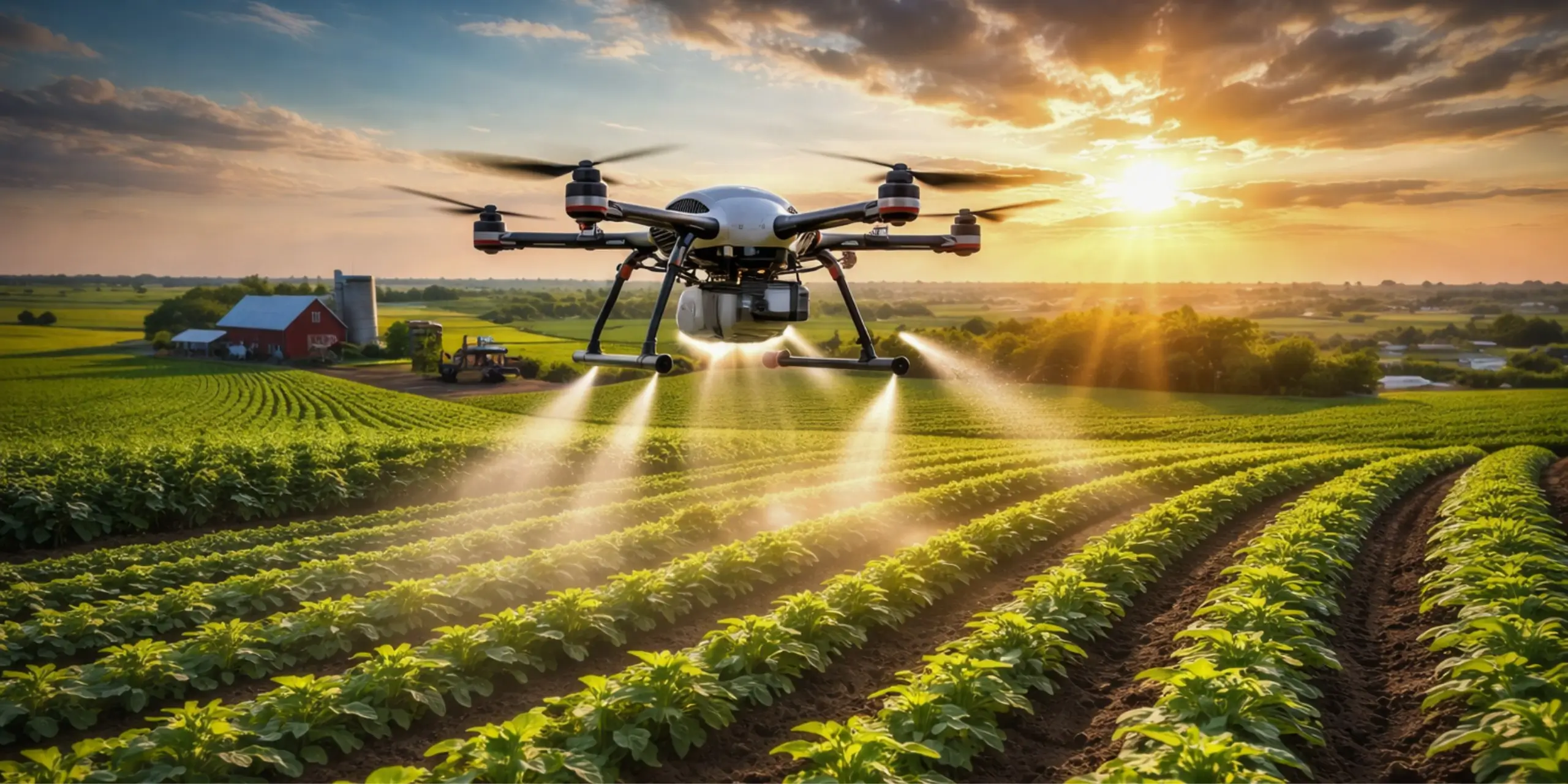
2. Agriculture: Farmers use drones to monitor crop health, spray fertilizers or pesticides, and map large fields. This helps increase efficiency, reduce costs, and support precision farming practices that improve overall yield.

3. Delivery and Logistics: Drones are being tested and used for delivering packages, especially in areas where traditional transportation is slow or difficult. They are ideal for delivering medical equipment or medicines, food, and small goods quickly and safely.

4. Aerial Photography and Videography: Drones have transformed the photography and film industry. They help capture stunning aerial shots for weddings, events, movies, and real estate, offering unique perspectives that were once only possible with helicopters.

5. Infrastructure and Industrial Inspection: Drones make it easier to inspect hard-to-reach structures like power lines, wind turbines, pipelines, and tall buildings. This reduces the need for human workers to perform risky tasks while providing accurate visual data.

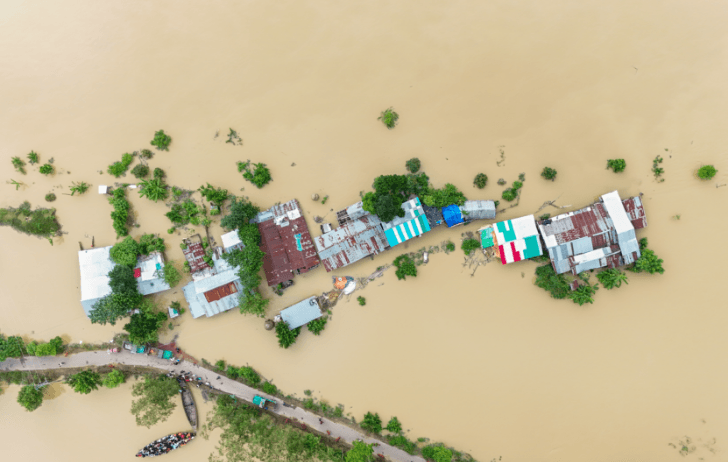
6. Disaster Response and Emergency Services: During natural disasters or emergencies, drones are used to locate victims, assess damage, and deliver aid to areas that are otherwise inaccessible. They support faster response times and help save lives in critical situations.

What’s the Future of UAV and Drone Technology?

The future of UAVs and drones is full of exciting innovations that will make these flying machines even more powerful, efficient, and widely used. Here’s what to expect in the coming years:

1. AI-Powered Autonomous Flights: Drones will become smarter with artificial intelligence, allowing them to fly, detect obstacles, and make decisions without human control.

2. Drone Swarms: Multiple drones will work together in a coordinated way — useful for defence missions, search and rescue, or large-scale farming.

3. Urban Air Mobility (UAM): Drone taxis and air shuttles could become a reality, helping people travel across cities through the sky, reducing road traffic.

4. Medical and Emergency Deliveries: Drones will play a bigger role in delivering emergency medical supplies like blood, vaccines, or medicines to remote or disaster-hit areas.

5. Improved Battery and Flight Time: Advancements in battery technology will allow drones to fly longer and cover more distance, making them more efficient for industrial use.

6. Integration with 5G and IoT: Faster and more reliable data sharing between drones and control systems will improve real-time tracking, communication, and performance.

7. Eco-Friendly Drone Designs: The future will bring lighter, quieter, and more environmentally friendly drones made with sustainable materials and lower emissions.

Are Drones and UAVs Regulated?

Yes, drones and UAVs are regulated to ensure airspace safety and privacy.

In India (DGCA Guidelines):

  • All drones above 250g must be registered.
  • Flying in certain zones (near airports, military areas) is prohibited.
  • Pilot training and Remote Pilot Certificate may be required for commercial use.

In the US (FAA Guidelines):

  • Drones must be registered if they weigh over 250g.
  • Flying beyond visual line of sight (BVLOS) requires special permission.
  • Part 107 licence needed for commercial drone operations.

UAVs and drones are transforming how we work, travel, and understand the world around us – from helping farmers and delivery services to assisting in emergencies and inspecting critical infrastructure.

As this technology continues to develop, it’s important for individuals and businesses alike to stay informed about the latest uses, updates, and safety rules.

At BonV Aero, a trusted drone manufacturing company in India, we focus on developing high-performance UAVs for defence, government, and commercial applications. Our solutions are designed to meet the specific needs of institutional and industrial use cases backed by precision, reliability, and innovation.

If you’re seeking a dependable partner in drone technology for your organisation, we’re here to support your goals with tailored, future-ready solutions.

Case Study: Our Drone Logistics at Girnar with Heavy-Lift Tech

Girnar Hill, located in Gujarat, rises to an altitude of approximately 3,660 ft, and is one of India’s most revered pilgrimage destinations. Every year, over 10 lakh (1 million) pilgrims and tourists visit its five key Tungs (temple peaks), including the Jain Temple Complex, Ambe Mata Temple, the Temple of Saint Gorakhnath, Kalika Temple, and Guru Dattatreya Temple. Steeped in history and spirituality, each Tung adds to Girnar’s rich cultural and religious heritage. 

For centuries, devotees had to undertake an arduous journey, climbing more than 5,000 steps to reach these temples. The Girnar Ropeway, inaugurated in October 2020, has significantly improved access for pilgrims, reducing travel time to just 7–8 minutes. Even with all advancements, one thing hasn’t changed at Girnar Hill, which is related to delivering logistics on the hill. There are no facilities for this, and all things need to be carried by foot, whether it’s daily essentials, temple supplies, or waste management.

Now imagine doing this every single day, in all kinds of weather, up and down those steep steps. It’s physically exhausting, time-consuming, and not always reliable.

This is the core problem we’re solving. Once you truly understand how challenging it is for people and supplies to move up Girnar, you’ll see why our drone solution is not just helpful, it’s necessary. It’s not about replacing people’s efforts, but about supporting them where traditional transport simply can’t go.

Recognising these challenges, BonV Aero introduces Our High-altitude Logistics UAV, a cutting-edge drone logistics aerial vehicle. Designed for extreme terrains and high-altitude operations, it promises to revolutionise logistics at Girnar. By combining advanced drone technology with a sustainable approach, Our Drone ensures reliable and efficient transportation of goods and supplies while preserving the ecological balance and sacredness of this site. 

This logistics drone case study highlights how BonV Aero’s Logistic Drone is improving transport at Girnar. Built for high-altitude and tough terrain, it offers a faster, eco-friendly way to deliver supplies while protecting the site’s spiritual and natural environment.

About Girnar Hill & Its Temples

Neminatha Jain Temple: Starting point, located at ~3,000 ft.

Ambe Mata Temple: Elevated at ~3,500 ft.

  • Distance: ~3 km by road, ~1 km aerial.

Temple Of Saint Gorakhnath: Located at ~3,300 ft.

  • Distance: ~4 km by road, ~1.5 km aerial.

Kalika Mata Temple: Positioned at ~3,800 ft.

Guru Dattatreya Temple: The highest Tung, located at ~3,660 ft.

  • Distance: ~5 km by road, ~2.5 km aerial.

Logistics Challenges on Girnar

  • Rugged Terrain: The steep ascents, sharp elevation changes, and narrow pathways between the Tungs make conventional transport methods labour-intensive and time-consuming. Porters, who regularly carry 20-30 kg loads on their backs, along with animals, serve as the primary modes of transport. However, these methods are limited in capacity, prone to delays, and physically demanding, making logistics increasingly difficult.
  • Elevation Differences: The five Tungs vary significantly in elevation, complicating the transportation of essential supplies like food, water, medical kits, and construction materials. For example, the Jain Temple is located at approximately 3,000 ft, while the Guru Dattatreya Temple sits at over 3,600 ft. Without mechanised transport, moving supplies up the steep slopes is a challenging and labour-intensive process.
  • Unpredictable Weather: Monsoons bring heavy rains that make the pathways slippery and dangerous, while high winds and fog further challenge logistics. Extreme temperatures, ranging from scorching summers to cold winters, add to the difficulty of manual transport, affecting both labourers and animals.
  • Labour Shortages & Construction Delays: Due to the physically demanding nature of the job, only a limited number of porters are willing to take on this work. This shortage of labour slows down construction and maintenance projects at the hilltop, making it difficult to improve facilities for pilgrims and restore heritage structures in a timely manner.
  • Environmental Concerns: The heavy reliance on manual labour, animals, and fuel-powered vehicles contributes to environmental degradation. These methods disrupt the fragile ecosystem and leave a carbon footprint that threatens the area’s natural beauty.
  • Time Constraints: Traditional logistics can take hours to transport goods between Tungs. This delay is particularly problematic for emergency supplies like medical aid or repair materials needed during festivals and peak pilgrimage seasons.
  • Operational Inefficiencies: The increasing footfall of pilgrims has led to congestion and delays in the supply chain. Managing logistics with limited resources adds pressure to temple authorities and impacts the overall experience for visitors.

How BonV Delivers

  • Faster and Reliable Deliveries: Our drones reduce delivery time compared to traditional methods, navigating challenging terrains quickly and autonomously.
  • Resilient in Extreme Weather: Their robust design, including its ability to operate in temperatures from -20°C to 55°C and withstand wind speeds up to 40 km/h, ensures functionality in harsh conditions.
  • Zero Carbon Emissions: We operate without emitting greenhouse gases, offering an eco-friendly logistics solution.
  • Cost-Effective Operations: Drones eliminate the need for extensive manual labor and reduce reliance on traditional fuel-based vehicles, cutting costs.
  • Versatile Payload Capacity: With modular pods and payload options ranging from 10 to 40 kg, we cater to a wide variety of logistics needs.
  • Autonomous and Efficient Flights: Equipped with BVLOS capabilities and self-flying technology, our drones ensure minimal human intervention while maintaining high precision and efficiency.

Our Logistic Drone Enabling High-Altitude Deliveries in India

Our high-altitude logistics drone represents the future of drone deliveries. Designed, developed, and manufactured indigenously by BonV Aero, it is tailored for high-altitude operations, ensuring reliability in rugged terrains.

Key Features

  • Payload Capacity: Modular pods capable of carrying 10-20 kg (scalable to 40 kg).
  • Altitude Capability: Operates efficiently at 15,000 ft AMSL, ideal for Girnar’s elevations.
  • Autonomous Operations: Equipped with Beyond Visual Line of Sight (BVLOS) and self-flying systems for efficient and safe deliveries.
  • Robust Design: Built with aerospace-grade aluminum alloy for durability and longevity.
  • Fail-Safe Mechanisms: Automatic handling of low battery, communication loss, and adverse weather.
  • Ground Control Station (GCS): Enables real-time monitoring, autonomous flight planning, and encrypted communication.
  • Operational Versatility: Capable of night operations with infrared cameras and weather-resistant features.

How Our Drone Helps on Girnar Hill

Proposed Use Cases:

  • Medical Support: Immediate delivery of first-aid kits and emergency supplies to pilgrims.
  • Infrastructure Development: Transport of lightweight construction materials for washrooms, medical rooms, and other facilities.
  • Pilgrim Welfare: Efficient delivery of food, water, and other necessities to remote temple areas.
  • Disaster Management: Quick relief operations during landslides or extreme weather events.

Our High-Altitude Drone Impact

  • Neminath Jain Temple to Guru Dattatreya Temple:
    • Traditional: 4 hours.
    • Only 2 minutes from one temple to another.
  • Ambe Mata Temple to Gorakhnath Temple:
    • Traditional: 1.5 hours.
    • Only 2 minutes from one temple to another.

Performance and Capabilities

FeaturesDetails
Payload Capacity10-20 kg
Payload CapacityUp to 15,000 ft AMSL
Flight ModesSelf flying Mode, Manual Mode, Return-to-home
Charging TimeLess than 2 hrs
CameraDay and Night Camera
Payload Drop MechanismModular Dropping, Parachute Dropping
Take off and Landing Area10m x 10m
Operating Temperature-20°C to 55°C
Wind/Gust ResistanceUp to 40kmph
Operating Crew2 (1 Pilot + 1 Ground Crew)

Comparative Analysis: Traditional Logistics vs. Our Logistic Drone

AspectTraditional LogisticsOur Logistic Drone
Time Efficiency3-4 hours per delivery~5-10 minutes
CostHigh (labour, vehicles)Reduced operational costs
Environmental ImpactHigh carbon emissionsZero emissions
Payload LimitationsRestricted by manual labourUp to 20 kg per trip
AccessibilityLimited by terrainTerrain-independent

Economic Impact and Benefits

1. Reduced Logistics Cost Over Time

  • While initial drone deployment may require investment, Our system drastically reduces recurring expenses like porter wages, animal upkeep, fuel, and manual transport infrastructure maintenance.
  • Autonomous operations mean fewer personnel are needed for daily logistics.

2. Faster Supply Chain: Quick delivery of temple supplies, food, and medical aid leads to more efficient operations and better service to pilgrims, translating into higher visitor satisfaction and repeat visits.

3. Boost to Pilgrim-Driven Local Economy

  • Improved logistics support allows more timely stocking of food, beverages, and essentials for vendors and temple shops. This helps boost sales and enhances the livelihood of locals.
  • Enables smooth operation of temporary stalls, events, and religious festivals.

4. Support for Infrastructure Projects: Faster and more reliable delivery of materials (bricks, water tanks, tools) accelerates construction and maintenance, helping complete projects sooner and avoid cost overruns.

5. Waste Management Efficiency: Reduced manual load and quicker evacuation of waste using drones improves cleanliness, making the site more attractive for tourists, and lowering sanitation-related costs.

6. Disaster Readiness: In cases of landslides or extreme weather, the drone can quickly resume supply lines, preventing major economic losses due to shutdowns or emergency rescues.

7. Tourism Revenue Growth: Enhanced safety, convenience, and services make the site more attractive to senior citizens and families, leading to longer stays and increased spending in the local hospitality sector.

8. Scalable Use Across Similar Sites: The same Drone system can be replicated at other pilgrimage or hilly tourist locations across India, lowering deployment cost per site and creating economies of scale.

A New Era in Hilltop Transportation

The spiritual and cultural significance of Girnar deserves logistical solutions that match its reverence and scale. BonV Aero’s Autonomous Drone System offers a future-ready alternative, with its autonomous capabilities, heavy payload capacity, weather resilience, and zero-emission operations. It not only alleviates the physical burden on workers and animals but also introduces a more scalable, sustainable, and responsive approach to serve pilgrims, temple authorities, and support teams.

As Girnar continues to attract millions of visitors annually, integrating aerial logistics can vastly improve operational efficiency, preserve the environment, and uphold the sanctity of this sacred hill while also setting a precedent for heritage sites across India.

BonV Aero is committed to supporting such transformation with cutting-edge drone solutions engineered for impact, accessibility, and reliability because no place of faith should be out of reach.

What is a VTOL Drone? Types, Advantages, and Industry Use Cases

There has been a rapid-fire advancement in drone technology, and the most provocative invention is the VTOL drone. Unlike copters, these drones can fly vertically, just like a helicopter, and can also fly forward like an airplane. Since they do not bear a runway, they can cover long distances efficiently.

This blog will explain VTOL drones, what they are, how they work, what types they come by, their strengths and weaknesses, and how they’re used in real life situations.

What is a VTOL Drone?

VTOL stands for Vertical Take-Off and Landing. A VTOL drone is a type of UAV drone that can take off, hover, and land vertically, like a helicopter, and then transition into horizontal forward flight, like an airplane. This dual-mode operation makes VTOL drones unique and highly efficient.

Unlike traditional fixed-wing drones, which require runways or catapults to launch and land, VTOL drones can operate in tight or remote areas – fields, rooftops, forest clearings, or even boats. At the same time, they offer the long range and energy efficiency of fixed-wing aircraft.

VTOL technology is especially useful in:

  • Areas with limited space for takeoff or landing
  • Missions that require both hovering and long-distance coverage
  • Applications where flight endurance and precision are equally important

What is the difference between VTOL and eVTOL?

While both terms sound similar, VTOL and eVTOL serve different purposes:

  • VTOL Drones: These include any drone that can take off and land vertically, powered by any energy source (battery, fuel, or hybrid).
  • eVTOL Drones: The “e” stands for “electric.” These are electric-powered VTOL aircraft, often designed for passenger transport, cargo delivery, or urban air mobility (UAM).

So, VTOL is a broader term, while eVTOL refers specifically to electric-powered models, especially in aviation and air taxi innovations.

How does a VTOL drone work?

VTOL drones rely on a combination of vertical lift and forward propulsion. They typically use multiple rotors to take off and land vertically, and then switch to fixed-wing flight for forward motion.

In hybrid VTOL drones, motors tilt or switch off during transition to fixed-wing flight, enabling longer endurance and higher speed. This makes them especially valuable in missions that require covering large areas quickly and efficiently.

Flight control systems, gyroscopes, and GPS modules manage the transition phase between vertical and horizontal flight – one of the most technically challenging aspects of VTOL technology.

What are the different types of VTOL UAV?

VTOL drones come in several types, each designed for different uses based on how they fly and what they’re built for. Understanding these types can help you choose the right drone for your specific needs.

1. Multi-Rotor VTOL Drones

Multi-rotor VTOL drones are the most common and simple type. They have multiple rotors – usually four (quadcopter), six (hexacopter), or eight (octocopter) – that allow the drone to take off, hover, and move in any direction.

These drones are known for their stability, precise control, and ability to hover in one spot, making them ideal for photography, inspections, and small-area surveys. However, because all movement relies on the rotors, they consume more battery power, resulting in shorter flight times and limited range.

2. Fixed-Wing VTOL Drones

Fixed-wing VTOL drones are designed like small airplanes with wings, but also include vertical rotors for take-off and landing. They lift off vertically using the rotors, then switch to forward flight using the wings, just like an aircraft. This combination makes them more energy-efficient and faster than multi-rotor drones, especially over long distances.

Fixed-wing VTOLs are a great choice for mapping, surveillance, and agricultural monitoring where long-range and flight duration are important. However, they are usually more expensive and may require more complex handling or flight planning.

According to recent market research, the global fixed-wing VTOL UAV market was valued at USD 842 million in 2022 and is projected to grow to USD 4,627 million by 2030, expanding at a CAGR of 23.7% during the forecast period.

3. Hybrid VTOL Drones

Hybrid VTOL drones combine the benefits of both multi-rotor and fixed-wing designs in one smart system. They take off vertically using rotors and then transition smoothly into fixed-wing mode for cruising. This allows them to hover when needed and also fly long distances efficiently, making them extremely versatile. 

These drones are often used in large-scale industrial operations, defence missions, emergency response, and logistics. Hybrid VTOLs are among the most advanced and capable drones available today, offering longer flight time, higher payload capacity, and strong performance in challenging environments.

4. eVTOL Drones

eVTOL stands for Electric Vertical Take-Off and Landing. These drones are powered entirely by electricity and are mostly being developed for urban air mobility, such as passenger air taxis and cargo delivery. While still in the early stages of adoption, eVTOL technology is gaining attention from major companies and governments around the world.

Though not widely used in commercial drone work today, eVTOLs represent the future of transportation and will likely play a key role in logistics and city-to-city travel in the coming years.

What are the advantages of VTOL drones?

VTOL drones offer several practical advantages, making them suitable for a wide range of industries:

  • Operate Without Runways: VTOL drones can launch and land anywhere, from a construction site to a moving vehicle, saving space and simplifying operations.
  • Long-Range and Endurance: Unlike multi-rotor drones, hybrid VTOLs can cover up to 100 km or more depending on design, which is ideal for large area mapping or long surveillance missions.
  • Precision Hovering: Can hover in one spot with GPS accuracy – essential for infrastructure inspection, targeted data collection, and 3D mapping.
  • Higher Payload Capacity: Carry heavier cameras, LiDAR systems, multispectral sensors, or even light cargo – something standard drones often can’t manage.
  • Better Energy Efficiency: Fixed-wing flight mode uses less energy compared to constant rotor lift, extending battery life and reducing downtime.
  • Versatile Mission Profiles: One drone can perform multiple roles, hover for inspection, cruise for mapping, land in rough terrain, or deliver a package.

What are the disadvantages of VTOL aircraft?

Despite their benefits, VTOL drones come with a few challenges that users should consider:

  • High Cost of Purchase: Advanced components, sensors, and engineering make VTOL drones more expensive than basic quadcopters.
  • Complex Maintenance: Transition systems, tilt rotors, and advanced software require skilled maintenance and periodic calibration.
  • Requires Skilled Operation: Although many models are semi-autonomous, planning and executing hybrid missions may require training.
  • Regulatory Challenges: In some regions, VTOL drones fall under complex airspace regulations, especially for long-range or high-altitude flights.

Industry Use Cases of VTOL Drones

VTOL drones are used across industries to improve productivity, safety, and cost-efficiency.

1. Surveying & Mapping: VTOL drones with RTK GPS and high-resolution cameras can map 1000+ hectares in a single flight, reducing field time and labor.

2. Agricultural Monitoring: Farmers use VTOL drones for:

  • Crop health analysis (NDVI imaging)
  • Irrigation monitoring
  • Pest detection
  • Yield estimation
  • They provide real-time, data-driven insights for precision farming.

3. Defense & Border Security: Defence agencies deploy VTOL drones for:

  • Surveillance of sensitive borders
  • Live monitoring in difficult terrains
  • Delivery of essential supplies to troops
  • Their quick launch and long-range flight make them highly dependable.

4. Infrastructure Inspection: VTOL drones reduce the risks of manual inspection for:

  • Power lines
  • Oil pipelines
  • Railways
  • Wind turbines
  • Bridges and dams
  • They deliver high-resolution imagery and real-time alerts.

5. Emergency Response: In natural disasters, VTOL drones help in:

  • Search and rescue operations
  • Delivery of food or medical aid
  • Situational awareness through live video feeds
  • Their ability to fly long distances and land in tight areas makes them essential tools in relief missions.

VTOL Drones vs Traditional Drones

FeatureVTOL DronesTraditional Drones
Take-off/LandingVertical (no runway required)Requires space or launcher
Flight RangeLong (up to 100+ km for hybrid)Short to moderate (1–5 km)
Payload CapacityHigh (up to 5+ kg)Low (up to 1–2 kg typically)
Hovering AbilityYesYes (multi-rotor only)
Use CasesIndustrial, defence, mappingPhotography, short surveys

Future of VTOL Drone Technology

The future of VTOL drones is exciting, with constant innovation and investment. Here’s what to expect:

  • Autonomous Flight Capabilities: Integration with AI and machine learning will allow autonomous mission planning, automated obstacle avoidance, and smart payload management.
  • Urban Air Mobility (UAM): With the growth of eVTOLs, cities may soon see air taxis and cargo drones flying over urban landscapes.
  • Hydrogen & Solar Energy: To solve battery limitations, companies are working on hydrogen fuel cells, solar-powered wings, and ultra-light materials.
  • Integration with IoT and 5G: VTOL drones will connect with smart infrastructure, enabling real-time streaming, predictive analytics, and remote control over long distances.

VTOL drones are changing the way industries operate offering a powerful blend of vertical take-off capability, long-range flight, and adaptability. Whether it’s surveying remote areas, supporting emergency services, or handling logistics in challenging terrains, VTOL technology brings unmatched efficiency and precision.

BonV Aero is a leading UAV drone manufacturer in India, dedicated to building reliable, mission-ready drone solutions for logistics, defence, disaster response, and more.

If you’re exploring how drones can elevate your operations, feel free to contact us – we’d be happy to help you find the right solution for your mission.

What is UAV? Its Types, Use Cases

Unmanned aerial vehicles (UAVs) have surged in popularity over recent years in a variety of industries. Ranging from agriculture to military operations, and from warfare to roadways supervision, UAVs are now a part of our very world. But what exactly is a UAV? How does it differ from a drone? And what are these flying machines for? Let’s break down the basics.

According to Mordor Intelligence, Drones request size is anticipated to reach USD 40.18 billion by 2025 and USD 77.03 billion by 2030, growing at 13.9 CAGR over the cast period (2025- 2030).

What is a UAV?

UAV is an acronym for Unmanned Aerial Vehicle. Put another way, it’s an airplane that can fly without a human being in the cockpit. Instead of piloted, UAVs are either remote-piloted by a human controller, or autonomously controlled via software, sensors, and GPS.

So next time you hear someone talk about a “UAV drone,” It will probably not be some super fancy or boring flying robot, just one that can fly without requiring human assistance.

What are the different types of UAVs?

UAVs vary greatly in size and design, and each has its own use. The following are the principal types of Unmanned aerial vehicles (UAVs):

  • Multi-Rotor: These are the ubiquitous ones and simplistic to use. These have many rotors and are perfect for picture taking, close-up work and indoor flying.
  • Fixed-Wing Drones: These are shaped more like traditional airplanes. They can also travel longer distances and remain in the air longer, qualities making them well-suited for surveying and mapping.
  • Single-Rotor Drones: These look like helicopters but are stronger than multi-rotors. They are also used for freight hauling.
  • Hybrid Drones (VTOL): These have the ability to take off and land in vertical flight (like a helicopter) and transition to horizontal flight (like an airplane). For missions that demand both agility and endurance, VTOL drones offer a balanced solution with advanced capabilities.

User needs to consider the types of UAV to determine the suitable one according to his specific application.

What is the difference between UAVs and Drones?

Yes and no. In casual conversation, individuals employ the terms “drone” and “UAV” interchangeably. Technically, the Unmanned aerial vehicles is only the flying part of the system. A drone typically refers to the entire system that includes the UAV itself, the controller, the sensors and the software that allows it to take to the air. But for the most part the two terms have become interchangeable.

This is why you frequently come across individuals looking up terms like “uav meaning” or “difference between drone and uav” on the Internet. Knowing the technical term is helpful, but for everyday purposes, referring to it as a Unmanned aerial vehicles or a drone is adequate.

How are UAVs used?

There are many applications for Unmanned aerial vehicles (UAVs) stretching from common tasks to more specialized duties. Here are a few of the common functions they serve in different fields:

  • Agriculture: Farmers deploy drones to monitor the health of crops, to spray fertilisers and to chart their fields with incredible precision. It helps them better manage their land and troubleshoot early.
  • Construction: Drones are useful on construction sites to check up on structures, monitor progress and make sure everything is being done on time without ever having to scale scaffolding or rely on crane operations.
  • Delivery: Some businesses are experimenting with drones carrying packages, a use that is particularly valuable in remote or hard-to-reach spots where regular delivery vehicles fail.
  • Mapping: Faster, safer land surveying with UAVs. They’re deployed to map terrain, inspect power lines and monitor forests or mines without putting people’s boots on the ground in risky spots.
  • Search and Rescue: Whether someone is lost in a forest or in the aftermath of a disaster, drones help emergency crews cover more ground, faster, even in harsh weather or difficult terrain.
  • Military and Defence: The military uses UAVs on missions of border security, surveillance, and occasionally for support during combat. Their risk is minimized and they are very much on the ground in real time.
  • Logistics: Both the military and commercial companies rely on UAVs for logistics tasks, such as to carry medical supplies, tools, or replacement parts between bases, warehouses or remote sites. In defense, that means advancing troops through difficult terrain. In business, it might refer to quick delivery within extensive industrial parks or among facilities.
  • Cinematography: Drones have transformed the way motion pictures, documentaries and commercials are filmed, delivering seamless shots from aloft that once required helicopters, cranes or planes.

These instances really highlight how versatile Unmanned aerial vehicles (UAVs) can be used, whether it’s for saving time, increasing safety or providing access to locations which would normally be hard to reach.

What are the advantages of UAVs?

UAV Drones also offer various advantages:

1. Enhanced Streamlined Operations

  • With UAVs, tasks can be completed faster and more efficiently than manually.
  • It is ideal for large-scale surveys, inspections, and mapping.

2. Improved Safety

  • The need for human presence in risky environments like disaster zones and inspections at high altitudes has been reduced.

3. Cost-effective Solutions

  • Compared to the usual ways, it requires less fuel, manpower, and equipment.
  • Ideal for budget-conscious projects with large coverage areas.

4. Smart Logistics and Delivery

  • Improves last-mile delivery in remote or congested areas.
  • Improves time-sensitive operations by supporting real-time tracking.

5. Real-Time Monitoring of Data

  • Provides instant aerial footage and analytics.
  • Provides a faster response time for emergency situations, logistics coordination, and resource planning.

What are the drawbacks of UAVs?

However, besides the mentioned advantages, UAVs also have some disadvantages:

  • Battery Life: Very few small drones can fly for 20 to 40 minutes before they need a recharge.
  • Weather: Strong wind, rain or snow can reduce the ability of UAVs to fly.
  • Payload Capacity: Smaller UAVs are not able to carry heavy loads.
  • Privacy and Safety: Unauthorized flying of drones near people or in sensitive areas can raise concerns about privacy and security.

Do I have to go through any certification or registration before flying a UAV?

Yes, all drone flights in India are controlled by the DGCA (Directorate General of Civil Aviation). As per the DGCA drone rules, if your UAV weighs above 250 grams, you have to register it. You need a UIN (Unique Identification Number too and you can only fly in allowed areas.
For commercial operations, you may also need a Remote Pilot Certificate (RPC) depending on the category of the drone and what you want to use it for.

What are the no-fly zones and altitude limits for drones?

The DGCA has categorical no-fly zones where operating drones is absolutely not allowed. These include:

  • Near airports
  • Around military areas
  • Near international frontiers
  • Inside state secretariat complexes

As for height limits:

  • Nano drones (below 250g): 50 feet flying range
  • Micro drones (250g – 2kg): Up to 200 feet
  • Small to large drones: Must have permission for flying at higher altitudes

It is always recommended to check the DGCA drone rules prior to your flight to avoid penalties.

Conclusion

Unmanned Aerial Vehicles (UAVs) have rapidly become an essential tool in many domains. Farmers measuring crops, rescuers looking for people lost in the mountains and the woods, soldiers checking battlefields, and filmmakers recording long shots, to name a few.

Learning about UAV meaning, what the difference between drone and UAV is, as well as different types of UAVs can help a person better understand UAV. The need to follow safety rules especially the DGCA drone rules in India is a must as the usage grows.

Still, as the lineup of possible applications for UAVs grows ever longer, it’s clear that these flying machines are here to stay and not just on the battlefield, even if also for work and play. We’re a UAV manufacturer in India, building reliable UAV solutions for logistics, defence and more. Feel free to reach out, we’d be happy to help you find the right solution for your missions.

World Record: BonV Aero’s Heavy Lift Drone Soars to 19,024 ft at Umling La

Background: Setting the Stage for a Milestone in UAV Technology

BonV Aero has made history by entering the International Book of Records after completing a record-breaking flight at an altitude of 19,024 feet (5,799 metres), carrying a 30kg payload. This remarkable achievement demonstrates BonV’s expertise in developing high altitude drones capable of performing in extreme environments.

The flight took place at Umling-la in Ladakh, one of the world’s highest motorable roads. With a maximum take-off weight of 100kg, BonV’s heavy payload drone outperformed traditional aircraft like the Cheetah helicopter, which can only lift 20kg under similar conditions.

Built entirely in-house, the UAV features advanced self-flying technology and can operate beyond the visual line of sight. This mission followed successful field trials at Udhampur Army HQ, where BonV completed Acceptance Test Procedures for 13 drone systems delivered to the Indian Army.

“This is a proud moment,” said CEO Satyabrata Satapathy. BonV Aero continues to lead innovation in aerial mobility and logistics.

The achievement is not only a testament to the company’s in-house research and development but also to its design capabilities and indigenous propulsion system.

Abinash Sahoo, Co-Founder & CTO, emphasised the diverse use-cases for this platform, including applications in the humanitarian aid and disaster response (HADR) segment.

AMSL World Record: BonV Aero’s Heavy Lift Drone Soars to 19,024 ft at Umling La
In the Photo : Jitendra Yadav (Senior System Engineer – R&D Team) , Ayaskanta Jena (Engineer  – R&D Team ) & Abinash Sahoo ( Co-Founder & CTO)

Journey to Manali – A New UAV Innovation in Tow

The next stop on BonV Aero’s journey was Manali, where the team met with a group from Odisha who had brought along a newly developed high altitude drone. There was a real sense of excitement, as this drone was about to be tested in some of the most demanding conditions yet.

The mission had two main goals:

  • To demonstrate the UAV system at a special event for the Army Chief in the Muth area
  • To test a next-gen propulsion system built for altitudes up to 19,000 feet

With the airframe and ground systems ready, the team aimed to push the limits of drone technology and prove the capabilities of their heavy payload drone.

Trials in Nyoma – Coping with Altitude and Testing the System

On 15 July, both teams arrived in Manali and began their journey towards Nyoma, where they would spend the next 20 days preparing for what would become a historic success. After a long and tiring journey, they reached Nyoma on 16 July and got some well-deserved rest before getting started.

At 14,500 feet, the altitude quickly took its toll. Team members suffered from headaches, sickness, and extreme fatigue. But with determination, medication, and a steady pace, the team carried on and began their initial tests. They began with one flight daily, slowly acclimatising and testing the heavy payload capacity drone system on the ground

Over the next few days, they slowly adjusted to the conditions. They started with one flight each day, while continuing tests on the propulsion system on the ground. By 19 July, they were ready to increase activity but strong winds made flying difficult. The team adapted by flying early in the morning when the weather was calmer.

Moving to Kangsangla Top – Tackling 17,851 Feet

After five days of testing and adapting, the team moved on to Kangsangla Top, 100 kilometres from Nyoma, located at an altitude of 17,851 feet. Despite cold temperatures and strong winds, the team successfully set up their equipment and ran several flight tests. The data collected during these tests was crucial for proving how the propulsion system performs in thin air.

Teaming Up with the Indian Army

Once testing at Kangsangla was complete, the team returned to Nyoma with greater confidence. Now used to the conditions, they pushed their testing further flying in wind speeds up to 60 km/h. The results were very promising.

They also worked closely with the Indian Army, preparing two more drone systems from Udhampur and training Army personnel on how to operate them. Despite a tight schedule, the team managed the testing and training while ensuring proper rest and focus.

Final Phase: Breaking the World Record at Umling La (19,024 ft)

Finally, on 10 August, the team reached Umling La Pass, the world’s highest motorable road, standing at an incredible 19,024 feet. The challenge was clear: fly our high altitude drone and lift a 30 kg payload at this extreme altitude.

With tension high and everyone fully focused, the drone took off and the mission was a complete success. The drone lifted the 30 kg payload at 19,024 feet, breaking previous records and proving that BonV Aero’s heavy payload drones can work in some of the world’s most extreme conditions.

A Global First for BonV Aero and Indian Drone Technology

This mission wasn’t just about setting a world record. It showed the commitment, skill, and determination of the BonV Aero team. Despite facing tough terrain, harsh weather, and physical strain, the team proved that their heavy lift logistic drone system can change how we think about high-altitude logistics.

This achievement sets a new standard for what’s possible in drone-based supply chains, defence operations, and disaster response. It also strengthens BonV Aero’s role as a global leader in drone innovation.

Our Proven Capability at the Highest Level

BonV Aero is a leading logistics drone manufacturers in India , developing defence-grade UAVs built to perform in extreme conditions high altitudes, strong winds, and freezing temperatures. The Umling La mission proved our heavy payload capacity drones can lift significant loads even at 19,000 feet.

Through close Army collaboration, breakthrough propulsion technology, and unmatched determination, we continue to raise the bar for what drone logistics can achieve. We’re committed to developing high payload drones that meet the demands of tomorrow’s critical missions.

Beyond Sight: The Economic Impact of Drones: How Aerial Mobility is Shaping India’s Future

By Satyabrata Satpathy

Unmanned Aerial Vehicles (UAVs) or Drones are the next big leap in tech innovation. They are touted to have a potentially transformative impact on industry akin to the Internet and the Global Positioning System (GPS). Drones that harness the power of 5G mobile connectivity and real-time data analytics will lead India towards Industrial Revolution 4.0.

Drones as Drives of Economic Drones

Drones are remotely operated aircraft that can either be operated by a pilot within his/her visual line of sight or function autonomously beyond the visual line of sight of any operator. Economic potential of drones is estimated to be worth INR 1.8 lakh crore ($23 billion) by 2030, contributing to India’s GDP and global market share.

1. Real World Applications

They enable precision spraying, crop health monitoring, land record digitization, surveillance, disaster management and infrastructure inspection. In mining, drones can perform volumetric analysis and aid stockpile management. Drones can also be useful fire- fighting devices and carry fire retardants as payloads. Across the energy and shipping industries, drones ensure safer asset maintenance and faster inspections. Such diverse use cases indicate the broad applicability of drones across India’s key sectors.

2. Boosting India’s Growth

Drones can boost India’s economic growth like the IT revolution of the 1990s. Just as IT services enabled cost efficiency, improved data management and enabled global service exports, drones can deliver similar advantages in manufacturing, agriculture, logistics and beyond. Drones equipped with advanced sensors, and 5G mobile connectivity with edge computing capabilities can unlock real-time data processing with myriad benefits.

  • In Agriculture, using drones leads to 10x faster monitoring and up to 75% cost reduction in operations such as spraying fertilizers and crop protection
  • In Infrastructure development, drones speed up construction monitoring by 80% and offer savings of up to 40% in survey costs

An evolving and enabling regulatory landscape, liberalized drone policies and government- support such as the Production-Linked Incentive (PLI) scheme and the Drone Shakti policy are poised to boost domestic manufacturing, attracting investment in the sector and increasing exports.

India needs to harness its strengths in software, tech innovation and IT to become a major player in the international drone market. Analysts project the drone market to grow with a Compound Annual Growth Rate (CAGR) of 80% until 2025.

Growth in the drone industry will also lead to a ‘trickle-down’ effect, impacting allied industries like components, sensors and AI-based services which will further boost domestic manufacturing and employment.

Pathway to a Drone-driven Future

There needs to be a multi-stakeholder effort to bring about the UAV Revolution in India. The government, industry, academia and research institutions need to come together and work in synergy to make this happen. The government on its part, must continue with its proactive regulation and provide industry support by simplifying rules, creating dedicated drone corridors and expanding the PLI scheme to cover critical subcomponents of drones such as sensors, autopilot systems and communication modules. Regulatory sandboxes are needed to create an ecosystem for the safe testing of drones and the development of drone air traffic management systems.

Public-Private Partnerships (PPPs) are needed to pool resources, tap into expertise and facilitate investments. Government and industry need to work in sync in order to localize manufacturing, enhance R&D spends and build export capacity. The aim should be to capture 25% of the global drone market by 2030.

The Indian workforce needs significant skill development and the government should incentivize this effort. Specializing training programs, drone pilot marketplaces and academic drone Centers of Excellence (CoEs) are the need of the hour.

Promotion of the localization of manufacturing is critical for reducing import dependence. A Drone Industry Research Assistance Council (DIRAC) has been mooted by industry to accelerate indigenous innovation by funding worthy startups, bridging R&D gaps and provide support in commercializing innovations. Lastly, proactive international collaboration on standards and best practices will ensure India is aligned with global trends in the drone industry and will help enable technology adoption and export growth.

Addressing Challenges with Strategic Policy Actions

The drone industry in India currently faces several challenges that require targeted policy interventions. Drones rely on Global Positioning System (GPS) and data-intensive applications which make them vulnerable to hacking. Cybersecurity risks are a key concern that need to be addressed by secure communication protocols and adequate encryption standards. The successful scaling drone operations are often hindered by bandwidth limitations for high-speed data transfers. This necessitates robust broadband infrastructure and upgrading our 5G network infrastructure.

India as of today is heavily reliant on imports of some high-value components used in drones such as sensors, chips and LiDAR/RADAR systems. Such dependency slows down localization and increases costs. This can be overcome with government policies that incentive domestic R&D and subsequent manufacturing of such critical components.

The industry today is looking for regulatory clarity from the government in certain areas. Simplified Beyond Visual Line of Sight (BVLOS) regulations, a National Unmanned Aerial System Traffic Management (UTM) policy and flexible airspace management are priorities to ensure safe management of drone traffic. Proactive and innovative regulation is required so that Indian industry does not always have to play catch up with the rest of the world. Building automated drone traffic management systems are essential to manage large-scale drone operations safely and efficiently.

Conclusion

India’s aspiration to be a global drone hub by 2030 requires proactive and supportive regulations, incentives for innovation and a collaborative ecosystem. A focused multi- stakeholder effort as outlined above and strategic policy interventions by the government are the need of the hour. This will ensure that drones significantly enhance India’s growth across sectors, unlock economic potential and drive national prosperity.

Beyond sight: Future of Beyond Visual Line of Sight drones in India

The birth of civil aviation

The history of civil aviation is intricately linked to military advancements, particularly evident during World War I. In the early 1900s, aviation was a nascent technology with limited applications. However, the war showcased aircraft’s potential for reconnaissance, combat, and transportation. Following the conflict, nations began recognizing aviation’s peacetime applications, culminating in the signing of the International Air Convention in 1919. This convention laid the foundation for modern civil aviation, emphasizing international cooperation to ensure safe, regulated air transport across borders. Consequently, civil aviation expanded rapidly, becoming a cornerstone of global transportation, commerce, and connection.

75534 2 3 Beyond sight: Future of Beyond Visual Line of Sight drones in India

Evolution of civil aviation and drones

Today, we are witnessing a similar transition with Unmanned Aerial Vehicles (UAVs), particularly those capable of Beyond Visual Line of Sight (BVLOS) operations. As UAV technology advances, drones are becoming increasingly sophisticated, boasting greater range, intelligence, endurance, and payload capacity.

Historically, aircraft were initially utilized for military purposes before being adapted for civilian use. Likewise, BVLOS drones have primarily served defense and military sectors for surveillance, logistics, and disaster management. A notable example is the Farman Company in France, which, in the 1920s, repurposed military planes to establish international passenger routes between cities like Paris, London, and Brussels. Today, we find ourselves at a similar juncture with BVLOS drones. While their military applications are well-established, the full potential of drones in civilian sectors hinges on evolving regulatory frameworks, much like the progression of aviation.

Present regulatory landscape in India

In India, the 2021 Drone Rules established a regulatory framework for UAV operations, streamlining processes by reducing required approvals and fees. The introduction of the Digital Sky platform has facilitated online registration and automated permissions for drone operations. However, current regulations from the Directorate General of Civil Aviation (DGCA) restrict all Remotely Piloted Aircraft (RPA) operations, regardless of weight category, to Visual Line of Sight (VLOS). This limitation requires remote pilots or observers to maintain direct, unaided visual contact with the drone, significantly constraining operational range compared to BVLOS, which permits drones to be controlled beyond the pilot’s visual range. Enabling BVLOS operations could unlock vast potential in sectors like logistics, agriculture, and disaster management.

Potential use cases across sectors

BVLOS drones hold transformative potential across various sectors, particularly logistics, healthcare, and disaster management:

Logistics

BVLOS drones can revolutionize e-commerce and quick commerce deliveries by providing faster, more efficient, and cost-effective services, particularly in rural and remote areas where infrastructure challenges complicate traditional delivery methods. India’s e-commerce market, projected to reach $188 billion by 2025, stands to benefit significantly from BVLOS drones, which could reduce delivery times and operational costs. Notably, last-mile delivery costs account for 53% of total shipping expenses, often representing the most expensive aspect of logistics. BVLOS drones could significantly alleviate these costs, especially in regions with limited road access or traditional supply chains.

Healthcare

These drones can serve as a lifeline for remote or underserved communities by delivering essential medical supplies, including vaccines, blood, and medicines. Rwanda’s successful use of BVLOS drones for rural blood deliveries exemplifies what can be achieved with the right regulatory frameworks, offering a glimpse into how India can benefit from similar initiatives.

Disaster management

BVLOS drones can provide real-time surveillance of affected areas, assessing damage and delivering critical supplies in regions rendered inaccessible by natural disasters like floods, earthquakes, or cyclones. Given India’s vulnerability to such calamities, BVLOS drones can play a crucial role in improving response times and resource deployment, ultimately saving lives and reducing relief costs.

A study by the Indian Ministry of Civil Aviation estimates that widespread drone adoption across sectors like agriculture, healthcare, and logistics could contribute as much as $1.6 billion to India’s GDP by 2030. The commercial potential of BVLOS drones to transform industries and enhance everyday life is immense and is just beginning to unfold.

75535 4 Beyond sight: Future of Beyond Visual Line of Sight drones in India

The way forward

To facilitate this transformation, organizations like the International Civil Aviation Organization (ICAO), established in 1944, have played a pivotal role in standardizing global aviation practices. By following the historical trajectory of civil aviation and building international frameworks for cooperation, BVLOS drones can become as integral to modern life as airplanes are today, revolutionizing industries, improving lives, and driving economic growth.

The future of BVLOS drones relies on robust regulations that foster technological advancement. While India’s 2021 Drone Rules and the Digital Sky initiative represent positive steps forward, more work is needed to standardize drone regulations and ensure safe integration into the airspace. The forthcoming policy framework for Unmanned Aircraft System Traffic Management (UTM) will be a key enabler and is eagerly anticipated in India.

In our upcoming article, we will explore how to establish UTM and BVLOS testing sites in India, advocating for a co-regulatory approach that engages both government and industry. The drone revolution is on the horizon, and the parallels to the early days of aviation are unmistakable. The journey towards a BVLOS-enabled future is not just necessary; it’s inevitable.

RM001: Engineered for Excellence

Introduction

Consider a future conflict set in the towering heights of the Himalayas – the Indian Army faces a formidable adversary that has captured key peaks, posing a significant threat to national security. The unforgiving terrain and extreme weather conditions make traditional logistics nearly impossible, emphasising the importance of innovative solutions.

Enter BonV Aero’s RM001, a heavy-lift logistics drone with a huge potential to be a game-changer. Each drone is calibrated to carry essential supplies to sustain the troops in forward positions for extended engagements. The drones can navigate hazardous mountainous terrain with precision, operate beyond visual line of sight (BVLOS) and fly autonomously.  Armed with Artificial Intelligence (AI), the drones will ensure seamless and timely support to our guardians in the mountains.

It is noteworthy that the success of the Indian Army in the Jammu & Kashmir Operations against Pakistan in 1947–48 and of the People’s Liberation Army (PLA) in the 1962 war against India was crucially dependent on logistical support.

Present day challenges

For instance, the Indian defence forces face logistical challenges in the Indian Himalayan Region due to its harsh weather conditions, rugged terrain and limited infrastructure. Extreme temperatures, heavy snowfall and frequent avalanches impede transportation and strain supply chains. The steep and rocky terrain makes road construction and maintenance difficult, while landslides often block existing routes. Limited airfields and helipads restrict air support, and conventional vehicles struggle with altitude and weather, leading to frequent breakdowns. The reliance on animal transport, particularly mules, is resource-intensive and complex, requiring shelters, and food and medical care for such animals. These logistical hurdles significantly impact the Indian Army’s ability to maintain troop sustenance and operational readiness in one of the world’s most challenging environments.

Birth of RM001

In such a context, the Indian Army Design Bureau presented a challenge to develop a solution for delivering heavy logistics loads autonomously via drones, addressing the need for greater flexibility and precision in any terrain. The need for ‘Heavy Payload Logistics Drones’ became apparent, which would operate autonomously in varied terrains, including high-altitude areas (HAA). Inspired by advancements in countries like France, Norway, Italy, and the USA (that are developing drones with a lift capability of ~100 kg), BonV designed the RM001 drone with a carrying capacity of 30 to 50 kgs, including scalable ancillary requirements such as battery chargers, remote operation modules and spare parts. BonV’s innovative approach won the challenge set forth by the Indian Army by addressing the critical pain points and needs of the hour.

1720948259296 RM001: Engineered for Excellence

Features of RM001

The RM001 drone addresses the critical issue outlined above by incorporating the world’s smallest avionics system, enabling pilot-less operations and BVLOS capabilities. This advanced technology allows RM001 to maintain uninterrupted communication and operational control even in rugged, obstructed terrains.

1720952706621 RM001: Engineered for Excellence

One Drone, Multiple Use-Cases

The RM001 drone, while originally designed and developed to address specific logistical challenges faced by the Indian defence forces in the Indian Himalayan region, showcases exceptional versatility. Equipped with multi-utility pods, the RM001 can be seamlessly deployed across various applications beyond military use. Its adaptability makes it particularly valuable in disaster management and Humanitarian Assistance and Disaster Relief (HADR) operations. The drone’s robust design and advanced technology enable it to perform efficiently in diverse environments, ensuring timely and effective delivery of critical supplies and support in emergency situations. This multifunctional capability positions the RM001 as an indispensable tool for a wide range of operational needs.

1720870720714 RM001: Engineered for Excellence

We invite prospective customers to explore the capabilities of the RM001 and see how it can transform your logistical operations. For more information and to discuss how the RM001 can meet your specific needs, please contact us. Together, we can achieve new heights in operational excellence.

Contact us at [email protected] to learn more about the RM001 drone and how it can be tailored to your requirements.

Reach out for a demonstration and take the first step towards revolutionising your logistics operations.

Website: https://bonvaero.com

Proud Winners of Meet The Drapers Season 6

The Journey to Victory

The road to success in Meet the Drapers the largest pitch competition in the world, was marked by intense competition and numerous challenges. It all began with a call for applications, where each applicant applied to Brand Capital, India . In February 2023 Tim Draper , the legendary venture capitalist, visited India, holding events in Bangalore and Sri Sri University, Bhubaneswar. Two teams were selected from India, including us. In October, 36 teams travelled to Silicon Valley, but only 3 reached the finals. Participation in TechCrunch events during the competition led to interviews and features on various platforms, further elevating our profile. The guidance provided by Gurudev Sri Sri Ravi Shankar after the 1st round was crucial in preparing us for the later stages of the competition. We will be forever grateful for his enlightened insights, help and support.

1718622918107 1 Proud Winners of Meet The Drapers Season 6

Standout Moments and Challenges

A standout moment in the competition was the Challenge Activity, where participants were given $10 to trade for higher-value items on the streets. Gaurav Achha , one of our co-founders, made an exceptional trade, showcasing his resourcefulness and strategic thinking, by exchanging his $10 for a bottle of Yamazaki, a prized $1000 Japanese whiskey, after successfully convincing a liquor store owner that being featured on a TV show would significantly boost his potential revenues. 

1718622922367 Proud Winners of Meet The Drapers Season 6

The competition required meticulous preparation, including completing questionnaires and crafting a compelling pitch followed by gruelling Q&A sessions. This format demanded clear, concise communication and the ability to address tough questions effectively. Our team, comprising Gaurav & Satyabrata Satapathy showcased their advanced drone technologies and market readiness, impressing the judges with their innovative approach. Handling tough questions from the judges regarding market potential, regulatory challenges and financial projections was a constant challenge.

1718622920971 Proud Winners of Meet The Drapers Season 6

Exploring New Horizons

During their time in the United States, the team visited prestigious institutions like Stanford University, Santa Clara University and the Boeing Everett Factory in Seattle. These visits provided valuable insights and inspiration.

Our success is driven by our cutting-edge drone technologies, particularly the high-altitude, logistics-focused eVTOL vehicle RM001, with a heavy paylod capability. With its carbon neutrality, this eco-friendly aircraft stands out and positions us at the forefront of sustainable drone solutions. Unique use cases, some tailored specifically for the Indian Armed forces, such as life-saving rescue operations in Mahanadi River, firefighting support and high-altitude operations in challenging environments like Leh and Tawang in the Indian Himalayas, highlighted the robustness, heavy payload and reliability of our drones. This set us apart from the competition in the show (such as AirFlight).

Global Recognition and Impact

Winning “Meet the Drapers” is a significant milestone not just for BonV Aero but also for the Indian start-up ecosystem. Competing against top global start-ups, BonV Aero emerged victorious among competitors from 11 countries, raising $1.6 million. An interesting fact is that the winners were to get $1 million but looking at the potential of our product, raised an additional $600,000. This victory validates our commitment to safety and innovation in drone technology, reassuring investors, partners and customers of BonV Aero’s leadership in manufacturing reliable drones.

A Visionary Investor

“Meet the Drapers” is hosted by Tim Draper, a legendary venture capitalist known for funding Baidu, Tesla, Skype, SpaceX, Hotmail and 25 other unicorns at the seed stage. His involvement and investment in BonV Aero is a vote of confidence in the company’s vision and potential, something we deeply cherish and are grateful for. Access to valuable resources and mentorship from the Draper family and their network can significantly accelerate our development and market entry.

1718622921480 Proud Winners of Meet The Drapers Season 6

Impact of the Win on the Indian Start-Up Ecosystem

Winning “Meet the Drapers” Season 6 is an inspirational event for the Indian startup ecosystem. It inspires entrepreneurs, boosts investor confidence and highlights India’s potential in cutting-edge technologies. This victory will attract more investments, foster global networking and encourage innovation across the board. It also paves the way for better government support and showcases Indian talent on a global stage. It demonstrates that Indian startups are not only capable of developing cutting-edge technology but also of securing significant achievements in competitive environments.

Looking Ahead

1718622916201 Proud Winners of Meet The Drapers Season 6

We plan to expand our product line, enhance technological capabilities and explore new markets. Upcoming events and product launches will push the boundaries of our drone technology. The company is in advanced discussions with various partners, both governmental and non-governmental, across multiple geographies, aiming to revolutionise aerial logistics and transportation while solving real-world problems responsibly.

    ×

    Thanks.

    We will contact you ASAP!

    If you want all the latest updates,
    Connect with us on LinkedIn!

    Follow Us